40 understanding food labels canada
Nutrition Labelling - Unlock Food Canning is an important and safe method for preserving food. Manufactured canned foods like sauces, beans, lentils, pastas, tuna, vegetables and fruits are pantry staples. Canned and jarred items have long shelf lives, but food safety rules still apply. Read on to learn more about keeping foods safe on your kitchen shelves. Understanding a food label - Food Labelling in Canada(Flash) Understanding a food label - Food Labelling in Canada (Flash) Close Flash and return to text version.
Nutrition claims - Canada.ca There are two types of nutrition claims on foods: nutrient content claims and health claims. These claims must also follow certain rules from Health Canada to make sure that they are consistent and not misleading. These claims are optional and may be found on some food products. Nutrient content claims describe the amount of a nutrient in a food.

Understanding food labels canada
Nutritional Facts Table - Food Labels Canada Fat. Lists the total amount of fat with the quantity of saturated and trans fat. Cholesterol. Sodium. Displays the quantity of sodium included in the serving. The percent daily value is based on a maximum daily intake of 2,300 mg. Foods with 15 percent or more are considered high. Carbohydrates. Reading and Understanding Food Labels in Canada - GFIT Wellness Reading and Understanding Food Labels in Canada. June 15, 2021. Nutrition labelling has become mandatory in Canada on all prepackaged foods. This way it has been designed to be easy to find, simple to read and to allow Canadians to make informed food choices! Although reading nutrition labels can be tricky. Understanding Food Labels in Canada As of December 2005, all major food companies introduced the new nutrition label on their packaged foods. The main part of the new label is the Nutrition Facts Table, which gives you the following information: Calories and 13 nutrients: Fat, Saturated fat, Trans fat, Cholesterol, Sodium, Carbohydrate, Fibre, Sugars, Protein, Vitamin A, Vitamin C, Calcium and Iron.
Understanding food labels canada. Food labels - Canada.ca Get information on food label requirements and buying food grown or prepared in Canada. Also learn how to understand food labels and report a labelling concern. Understanding Nutrition Labels | Teach Nutrition Maritimes Step 1. Look at the serving size. All the information in the Nutrition Facts table refers to that amount of food. Compare the serving size to the amount of food you actually eat. You will need to do a little math if you eat more or less than that amount. For example, if the serving size is two slices of bread but you only eat one slice, you ... Most Canadians don't understand food nutrition labels According to Statistics Canada, half of women and about seven in 10 men in Canada consume more calories than needed and as many as 25 percent have fat intakes above the recommended value. The truth is, even when Canadians want to make healthier choices, many don't know how to begin. And our food labels don't help. Percent daily value - Canada.ca About percent daily value. The % DV is found on the right-hand side of a nutrition facts table. It is a guide to help you make informed food choices. It shows you if the serving size has a little or a lot of a nutrient: 5% DV or less is a little. 15% DV or more is a lot. This applies to all nutrients with a % DV.
Nutrition Labelling Online Course - Canada.ca Today's food environment can make it challenging for Canadians to make healthier food choices, but using labels can help. To improve understanding of food labels, Health Canada's Food Directorate has launched the Nutrition Labelling Online Course.While this free course was developed for health professionals and educators, anyone interested in nutrition labelling will find it valuable. Understanding Food Nutrition Labels | American Heart Association Remember that the information shown in the label is based on a diet of 2,000 calories a day. You may need less or more than 2,000 calories depending upon your age, gender, activity level, and whether you're trying to lose, gain or maintain your weight. When the Nutrition Facts label says a food contains "0 g" of trans fat, but includes ... Understanding Food Labels - Go Dairy Free Food labels can be confusing, especially when special diets and food allergies come into play. This handy quick guide includes the essentials to understanding food labels for dairy-free diets. Click on any of the links or images below to get information on understanding food allergen labeling (including how to spot milk when it isn't clearly ... Reading food labels - Food Allergy Canada Read the label before serving a food even if it has been "safe" in the past. Read ingredient lists carefully from start to finish. Food companies do not have to make allergens stand out in any way (e.g. bolding, italicizing, or underlining the print). Do not buy a packaged food product that does not have an ingredient label.
Understanding Food Labels in Canada - EY LiveWell By comparing the two labels we can gain a better sense of which product is a healthier choice. Step 1 - Serving size: The information on both packages refers to one burger. They both weigh the same. Step 2 - Calories: Product 1 has 210 calories per serving and product 2 has 123 calories per serving. Easy to Use Nutrition Label Application for Canada The calorie count information on a nutrition label in Canada includes calories and 13 core nutrients. The number of calories enumerated on the list lets you know how much energy you will derive from one serving of this food. Understanding Fat. First things first, not all fats are created equal. For example, omega-3 fats available in fish, and ... Understanding food labels | Gouvernement du Québec Description. Food labels are a good way to find out about the nutritional value of foods. They can help you make smart food choices. You will find valuable nutrition information on pre-packaged foods if you read their labels, namely: Food product labelling is regulated by Health Canada. Understanding a food label - Canadian Food Inspection Agency A "Product of Canada" label means that all, or virtually all (generally 98 per cent), of the food, processing and labour used to make the food is Canadian. This means that these foods were grown or raised by Canadian farmers, and prepared and packaged by Canadian food companies. ... Understanding food labels is one of the steps consumers can ...
Changes ahead for Canadian food labels, and you can have your say | CBC News
Reading and understanding food labels - Human Kinetics Canada Under the Food and Drugs Act, Health Canada requires labeling for all packaged foods. Food labels are not required on fresh meat, poultry, raw seafood, fresh fruit and vegetables, food prepared or processed in store, foods that contain very few nutrients (e.g., vinegar, spices), and alcoholic beverages, although you can find nutrient ...
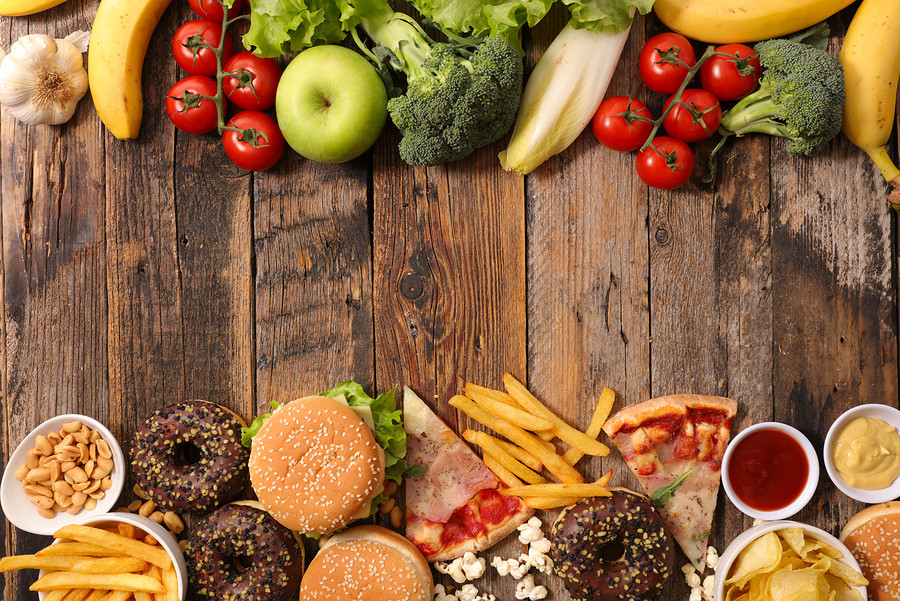
Canada demands more visible warnings for junk food
Food labelling for consumers - Canadian Food Inspection Agency The CFIA enforces Canada's allergen labelling laws and works with associations, distributors, food manufacturers and importers to ensure complete and appropriate allergen labelling of all foods. A set of guidelines was developed for the labelling of novel foods derived from genetic engineering, based on consultations in Canada since 1993.
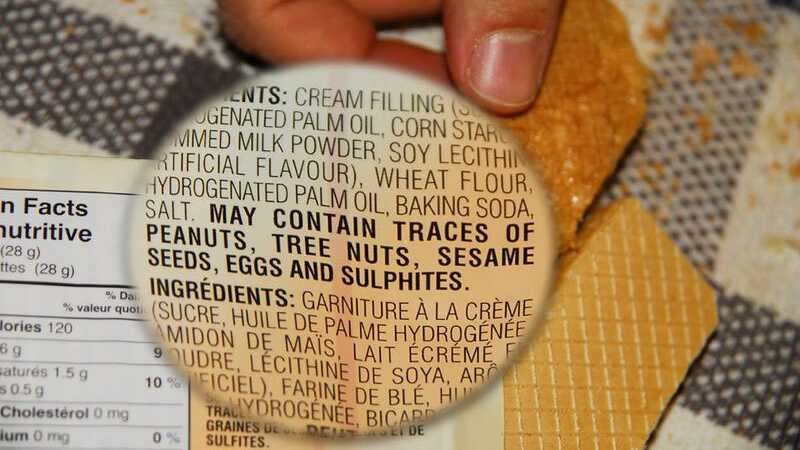
Food Labelling - Food Allergy Canada
Understanding a food label - Food Labelling in Canada (Mobile) DATE MARKING. "Product of Canada" and "Made in Canada" claims have specific guidelines that must be met in order for companies to use the claim. A "Product of Canada" label means that all, or virtually all (generally 98 per cent), of the food, processing and labour used to make the food is Canadian.

'food labelling' on SlideShare
Understanding food labels - Human Kinetics Canada You have already learned the importance of exercise, and this step will help you understand the importance of your nutrition needs and how to meet those needs. A nutrient is a substance the body needs in order to work properly.

Exploring the Bordeaux Wine Region - WineCollective Blog
Use food labels - Canada's Food Guide Benefits of using food labels. Food labels provide information you can use to make informed choices about foods and drinks at the grocery store and at home. Food labels can help you: compare and choose products more easily. know what ingredients a food product contains. choose products with a little or a lot of the nutrients that are of ...
.png?resize=678%2C939&ssl=1)
Reliable Sources Of Nutritional Information Uk | Besto Blog
Understanding Food Labels in Canada - Cintas Step 1 - Serving size: The information on both packages refers to one burger. They both weigh the same. Step 2 - Calories: Product 1 has 210 calories per serving and product 2 has 123 calories per serving. Step 3 - Look at the % Daily Value: Do a quick scan and see what nutrients each product is high in and low in.
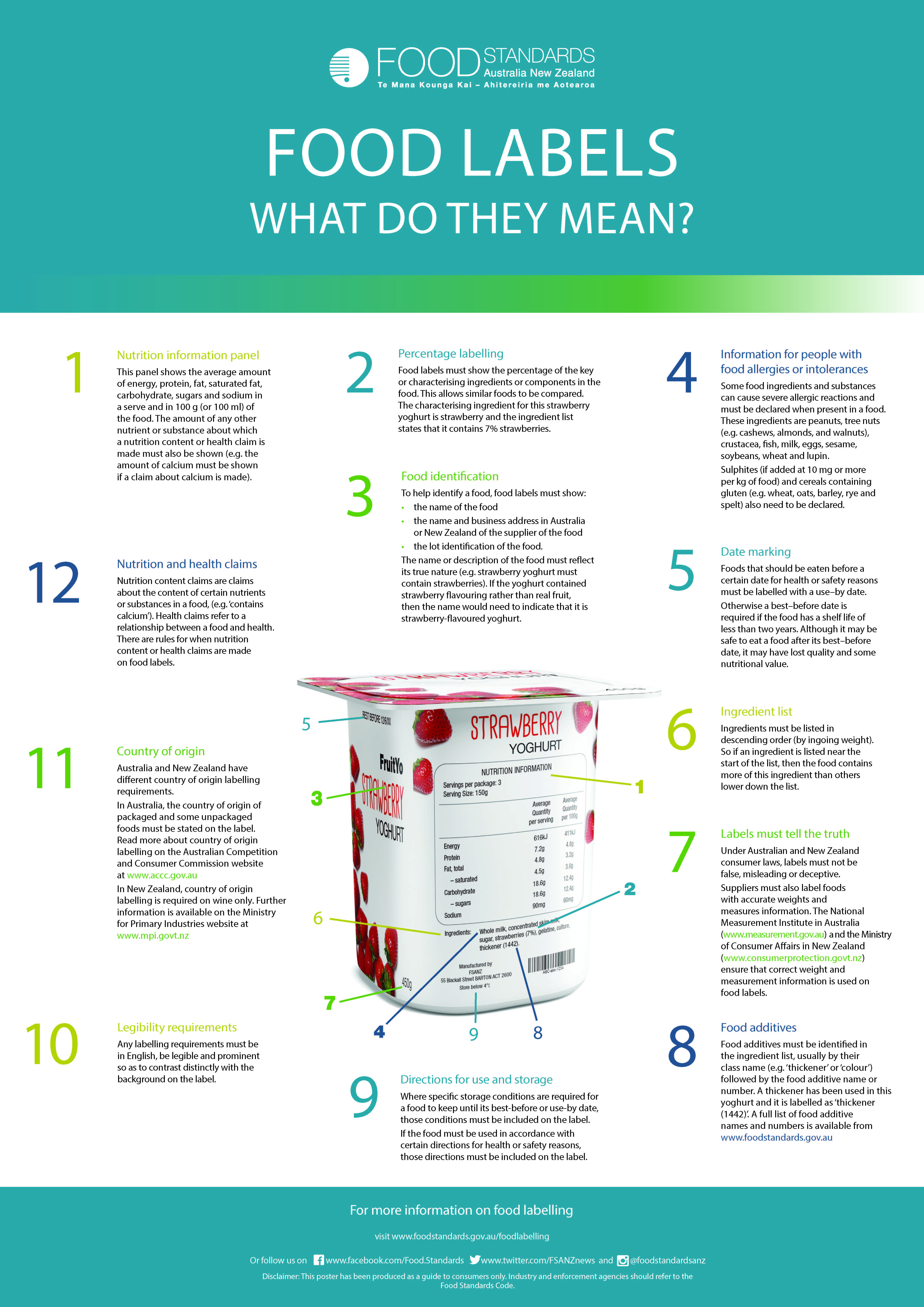
Food labelling
Nutrition facts tables - Canada.ca A nutrition facts table can also be used to: learn about a food's nutritional value (calories and nutrients) see if a food contains a little (5% DV or less) or a lot (15% DV or more) of a nutrient. compare 2 products to make informed food choices. better manage special food needs such as a low-sodium diet.

What You Can Do to Support the Food Label Changes - Health
How To Read & Understand Canadian Food Nutrition Labels Below is an outline for how to read these labels in stages and what to look for at each stage: 1. Serving Size - This is often overlooked, but worth noting. Something could appear great, but you might need to multiply all the nutrition facts by 2 or 3 for the actual amount you plan to eat. 2.

Food Law and Labelling 2012
Understanding food labels - Canada.ca Find information on food labels and how to understand them. Learn about nutrition facts tables, serving size, list of ingredients, % daily value and nutrition claims.

Food for Thought - GS1 Canada's Grocery and Foodservice Newsletter
About food labels - Canada.ca By law, most packaged food must be labelled with: a nutrition facts table, which gives you information on: serving size. calories. nutrients. percent daily values (% DV) an ingredient list, which lists all the ingredients in a food by weight. this begins with the ingredient that weighs the most and ends with the ingredient that weighs the least.
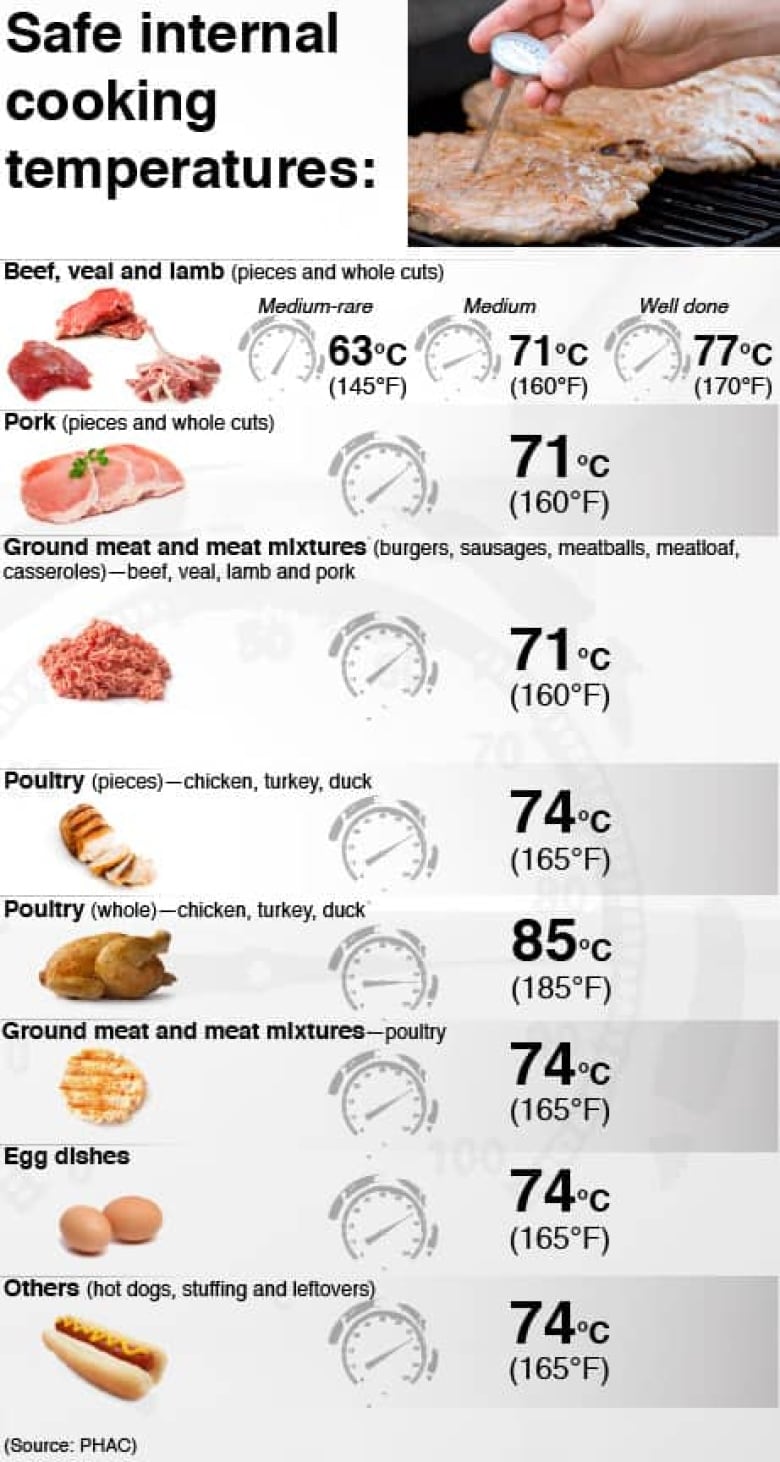
Canadians 'need to know' about mechanically tenderized meat | CBC News
Understanding Food Labels in Canada As of December 2005, all major food companies introduced the new nutrition label on their packaged foods. The main part of the new label is the Nutrition Facts Table, which gives you the following information: Calories and 13 nutrients: Fat, Saturated fat, Trans fat, Cholesterol, Sodium, Carbohydrate, Fibre, Sugars, Protein, Vitamin A, Vitamin C, Calcium and Iron.

Recommended Restaurants for Dairy-Free Living
Reading and Understanding Food Labels in Canada - GFIT Wellness Reading and Understanding Food Labels in Canada. June 15, 2021. Nutrition labelling has become mandatory in Canada on all prepackaged foods. This way it has been designed to be easy to find, simple to read and to allow Canadians to make informed food choices! Although reading nutrition labels can be tricky.

Food Nutrition Labels | Nutritionist Pro
Nutritional Facts Table - Food Labels Canada Fat. Lists the total amount of fat with the quantity of saturated and trans fat. Cholesterol. Sodium. Displays the quantity of sodium included in the serving. The percent daily value is based on a maximum daily intake of 2,300 mg. Foods with 15 percent or more are considered high. Carbohydrates.

Understanding Food labels
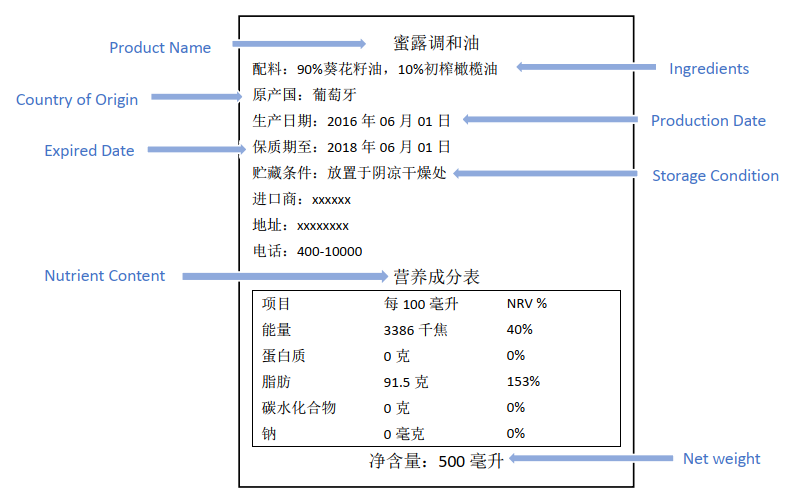
30 What Is Required On A Food Label - Labels For You
Enjoy Crabapples All Year Long - Home & Family
Post a Comment for "40 understanding food labels canada"