40 australian food labels explained
en.wikipedia.org › wiki › The_Herd_(Australian_band)The Herd (Australian band) - Wikipedia The Herd is an Australian hip hop group formed in Sydney.The group employs a "full band" format and is recognised for its live shows. The Herd is composed of Ozi Batla, Urthboy, Berzerkatron (MCs), Unkle Ho (beats), Traksewt (piano accordion, clarinet and beats), Sulo (beats and guitar), Toe-Fu (guitar), Rok Poshtya (bass) and singer Jane Tyrrell. Food labels & nutritional information | Raising Children Network Food labels: tell you what ingredients and/or additives are in the food give you nutritional information about the food and food storage instructions tell you who manufactured the food. Nutritional information panels (NIPs) are a part of the food label. These tell you what nutrients the food contains and how much of each nutrient there is.
How to read food labels | healthdirect

Australian food labels explained
Kilojoules | healthdirect By law, food labels must list the kilojoules in 100g (or 100mL) of a product and in some states and territories, certain food retailers are required to display the kilojoule content of their food and drinks at point of sale. Some also include the kilojoules in a ‘serving’. Be aware that what the manufacturers say is a serving might be different from what you eat. The number of kilojoules ... How to understand food labels - Eat For Health The Nutrition Information Panel on a food label offers the simplest and easiest way to choose foods with less saturated fat, salt (sodium), added sugars and kilojoules, and more fibre. It can also be used to decide how large one serve of a food group choice or discretionary food would be and whether it's worth the kilojoules. Ingredient lists and percentage labelling - Food Standards Percentage labelling Most packaged foods have to carry labels which show the percentage of the key or characterising ingredients or components in the food. This allows you to compare similar products. The characterising ingredient for strawberry yoghurt would be strawberries and the label would say, for example, 9% strawberries.
Australian food labels explained. Food labels - Better Health Channel The food label will tell you all sorts of information, including: what the food is manufacturer's details nutrition information ingredients weights and measures of product date marking directions for use and storage country of origin allergens and additives any nutrition and health claims. en.wikipedia.org › wiki › Guideline_Daily_AmountGuideline Daily Amount - Wikipedia A modified version of the GDA system was adopted by the Australian food and beverage industry in 2006 and called the 'Daily Intake Guide'. [2] [3] In 2009 the original GDA system analysis as adopted as an industry standard in the European Union and in 2012 a variant was adopted in the US and called 'Facts Up Front'. Guideline Daily Amount - Wikipedia A Guideline Daily Amount (GDA) is a nutrition facts label that originally began in 1998 as a collaboration between the UK government, the food industry and consumer organizations. The process was overseen by the Institute of Grocery Distribution (IGD). To help consumers make sense of the nutrition information provided on food labels, they translate science into … Organic Labelling Explained - NASAA Organic The spring leaf, NASAA Organic label is used by NASAA Certified Organic (NCO) operators. At present there are two style variations of the label: Original spring leaf NASAA Organic label Phasing out by early 2021 New look spring leaf NASAA Organic label Available from 2019
Understanding Food Labels | The Nutrition Source | Harvard T.H. Chan ... Under the Food Allergen Labeling and Consumer Protection Act of 2004, eight major food allergens—milk, fish, tree nuts, peanuts, shellfish, wheat, eggs, and soybeans—are required to be listed in a "contains" statement near the Ingredients list if present in a food. An example would be "contains wheat, milk, and soy." Albanese government urged to act on vegan food labels | The … However, under pressure from plant-based food makers, it added an additional clause that meant that, provided additional context was added, labels … › kilojoulesKilojoules | healthdirect You should be able to work out how many kilojoules are in foods you buy by looking at the food labels. By law, food labels must list the kilojoules in 100g (or 100mL) of a product and in some states and territories, certain food retailers are required to display the kilojoule content of their food and drinks at point of sale. Healthy eating for children | healthdirect try out new foods and show your children where food comes from; let them help you buy food from the shops; cook and try new recipes together; don't keep junk food in the house; keep a bowl of fruit handy for a snack; wash your hands and make sure food is prepared and stored safely; Foods to limit. Some foods are not essential in children's ...
PDF Food labels explained Food labels explained Food labels carry useful information to help you make choices about food. The food label will tell you if the food contains an additive that you may want to avoid. ... Under labelling laws introduced in Australia in 2003, virtually all manufactured foods must carry an NIP. There are exceptions to the labelling requirements ... How to Read a Food Label - WebMD A serving of a food labeled "reduced" must have 25% less of the ingredient (such as fat) than a serving of the regular version. One serving of a "light" food must have 50% less fat or 1/3 fewer ... › healthy-eating-for-childrenHealthy eating for children | healthdirect try out new foods and show your children where food comes from; let them help you buy food from the shops; cook and try new recipes together; don't keep junk food in the house; keep a bowl of fruit handy for a snack; wash your hands and make sure food is prepared and stored safely; Foods to limit. Some foods are not essential in children's diets. Understanding food labels fact sheet - NDSS Food labels will typically include a nutrition information panel, list of ingredients, the 'use by' or 'best before' date and identify potential food allergens and additives. Food labels also tell you the amount of carbohydrates (carbs) you eat and drink. This can help you manage your blood glucose levels.
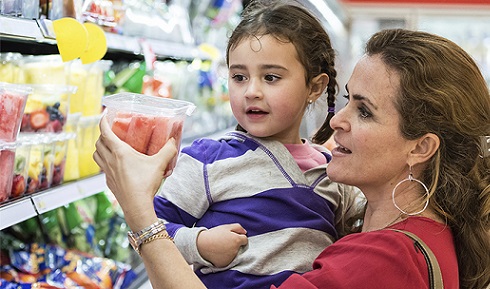
How to Read Food Labels in Australia and what those claims really mean | Australian Women Online
› groceries › average-groceryAverage Grocery Bill | Australian Living Costs – Canstar Blue Aug 04, 2021 · This equates to about $612 a month or $7,344 a year. The average weekly spend for larger households of five or more people is roughly $255, with the majority of this spent on staple or everyday food items. Here’s what most Aussies buy in their weekly food, as found in our survey: Bakery items (i.e. bread): 63%
.png)
Country of origin labelling explained
The Herd (Australian band) - Wikipedia The Herd is an Australian hip hop group formed in Sydney.The group employs a "full band" format and is recognised for its live shows. The Herd is composed of Ozi Batla, Urthboy, Berzerkatron (MCs), Unkle Ho (beats), Traksewt (piano accordion, clarinet and beats), Sulo (beats and guitar), Toe-Fu (guitar), Rok Poshtya (bass) and singer Jane Tyrrell.

frank camorra tempranillo & sparkling rose - onebitemore
Country of origin labelling explained WHAT DO COUNTRY OF ORIGIN LABELS LOOK LIKE? A. Three-component standard mark Mandatory for priority food items (such as meat, fruit and vegetables, bread and dairy products) grown, produced or made in Australia. The label includes: The kangaroo in a triangle symbol. A bar chart showing the percentage of Australian ingredients.

Id attribute in html example
Country-of-origin food label revamp explained - Good Food Packaged food must carry a label stating either (1) which country the food was grown in, produced or made or (2) the name of the country where the food was made or packed, and that the product is a mix of imported ingredients, or a mix of imported and local ingredients. Where does the current system leave consumers? In a word - confused.

Mostly Random Photos, eh?: Chicago-style hot dog, explained
Country of origin | ACCC Most of the foods you buy need to display country of origin labels. Look out for these labels on food packages or in-store signage. Different labelling requirements apply depending on: whether the food is grown, produced, made or packed in Australia or another country; whether the food is a ‘priority’ or ‘non-priority’ food
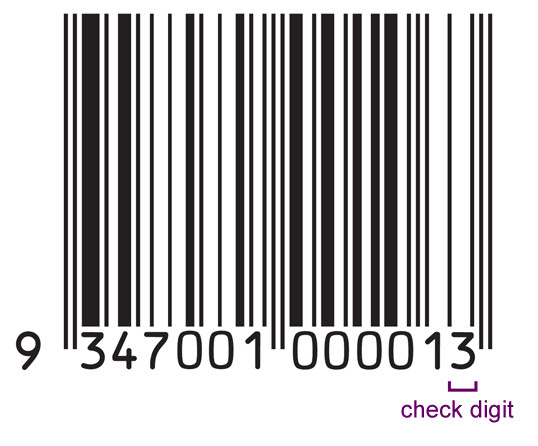
Barcode standards explained - Creative Passion
How To Read Food and Beverage Labels - National Institute on Aging There are three types of product dates commonly printed on packaged foods and beverages: "Sell by" tells how long the manufacturer suggests that a store should sell items such as meat, poultry, eggs, or milk products. Make sure you buy by this date. "Use by" tells how long items will be at peak quality.
Post a Comment for "40 australian food labels explained"